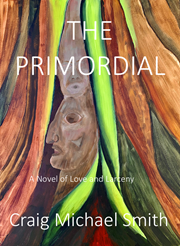
Twenty-five years ago, while exploring the wilds of the Pacific Rim National Park, my cousin Laurie and I, stumbled upon an ancient red cedar tree that left us overwhelmed by its majesty. The tree remains to this day a symbol of the splendour that only nature in its purest form can offer. A chance tour of the family home of Emily Carr, combined with a visit to the Art Gallery of Greater Victoria, planted the seed of The Primordial in my mind and from there grew the story.
I spent my adulthood living in Steveston, British Columbia, which, like Victoria, and many fishing communities on the Coast, was cudgelled into submission during WWII by the race-based internment policies of the Canadian Government. It struck me that to ignore these events is to invite repetition. The tale of Aki is a complete fiction, yet it mirrors the horrors that befell so many Canadian citizens of Japanese heritage. For accurate and incisive review of the subject, I recommend Landscapes of Injustice: A New Perspective on the Internment and Dispossession of Japanese Canadians (2020), edited by Jordan Stanger-Ross.
One cannot be held responsible for the behaviour of one’s relatives, but they can and do provide interesting fodder for writers of fiction. To that end, my now deceased brother-in-law, is the model upon which David Chimer is based. His actual mode of passing differs from that in the book, yet the pathway to his demise was very closely parallelled.
When asked by readers where I get the ideas for my books, I can only definitively say that I have no system or plan, I simply reach into the miasma of my memories and experiences, toss in some well researched background material and out they come.

